Whose Sofa Is It Anyway? Living With a Couch You Didn't Pick
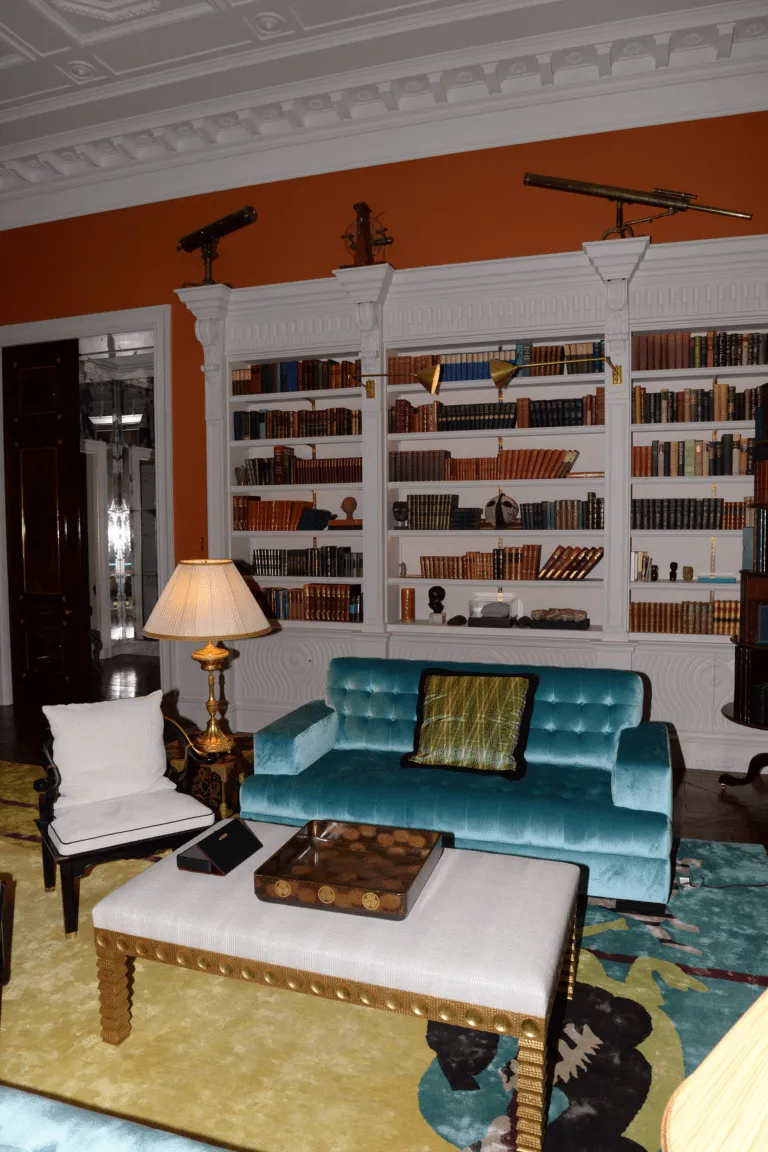
Photo: Federal Bureau of Investigation, Public domain, via Wikimedia Commons
Nobody chooses their first sofa. It arrives. It comes with the flat, or with the relationship, or with a text from your mum saying "we've had a clear-out, it's on the drive, it's really good quality." And then it sits in your living room for four years, doing a job you never asked it to do, in a colour you'd never have picked.
Inherited sofas get a bad reputation. Some of it is deserved — there really are 1990s three-pieces that should have been retired at the turn of the century — but a lot of it is unfair. The sofa you didn't choose is often a better sofa than the one you'd have bought, because it was made when furniture was made properly.
So before you ring a man with a van, do a bit of sorting out.
Start with an honest audit
Ignore the fabric for ten minutes. It's a distraction. What you're checking is the skeleton.
The frame. Rock the sofa gently by one arm. If the whole thing moves as one solid unit, good. If you can feel a wobble, a creak, or a gap opening at a corner joint, the frame is tired.
The springs and seat. Press down hard on each seat cushion in the middle and at the front edge. You should feel resistance and hear nothing much. A clang, a twang or a hollow bottoming-out means sprung work is on its way out.
The smell. Musty is usually damp in the filling, which is fixable but rarely worth it. Smoke and pet odour often live in the foam rather than the fabric, which means new covers won't solve it.
The label. If there's a fire safety label still attached, you know roughly what you're dealing with and you're covered if it's ever inspected in a rental. If it's been cut off — common on older pieces — a landlord may object, and some house-share agreements get twitchy about it.
A sofa that passes the frame and spring test is a candidate. A sofa that fails them is a project, not a piece of furniture.
Reupholstery: when it's worth the money
Here's the number that surprises people: professional reupholstery in the UK typically runs £400–£1,200 in labour for a two- or three-seater, with fabric on top at roughly £25–£60 a metre. A three-seater usually wants 10–14 metres. Realistically, you're looking at £800–£2,000 all in.
That's a lot — until you price a decent new sofa of comparable build quality, which is often £1,500–£3,000. So reupholstery makes sense when:
- the frame is hardwood and sound
- the shape suits the room's proportions
- you'd have spent similar money on something new and flimsier
- and, crucially, you actually like the silhouette
It does not make sense for a bulky 1980s sofa with a pressed-board frame and a shape you're tolerating. You'd be spending premium money to preserve something you don't want.
Slipcovers: the middle path
If the frame is fine but the fabric is 2009, a slipcover buys you a decade of goodwill for a fraction of the cost. Off-the-shelf stretch covers run £60–£150 and look exactly like off-the-shelf stretch covers: fine from across the room, less fine when a guest sits down. Made-to-measure loose covers start around £400 and up, and can be genuinely excellent — a good loose cover looks like upholstery, not a bedsheet.
The catch is shape. Slipcovers work beautifully on boxy, plain-armed sofas with removable cushions. On a rolled-arm Chesterfield or anything tufted, they pucker and fight the furniture.
Style mismatch is usually a styling problem
Before you conclude that the sofa is the wrong sofa, check whether it's just the only thing in the room doing its own thing.
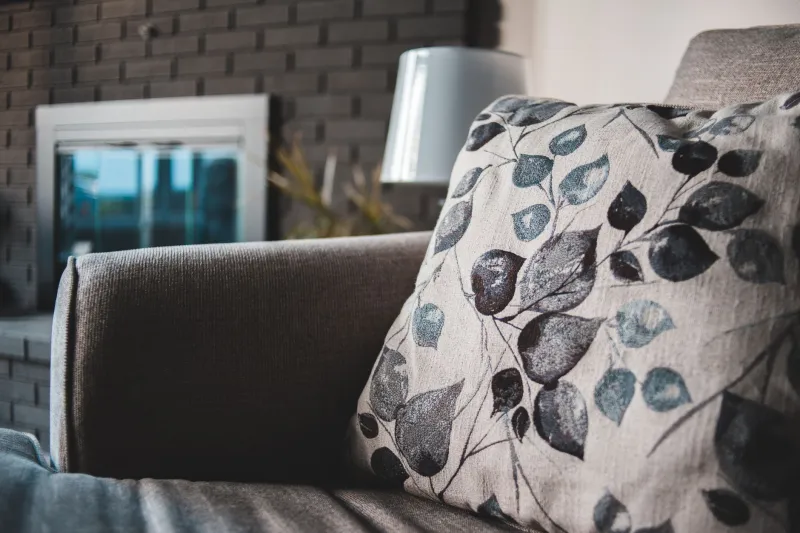
A dated sofa surrounded by modern things looks like a mistake. A dated sofa surrounded by a rug, a couple of textured cushions, a throw over the arm and a lamp with a warm shade starts to look like a deliberate choice — the worn, comfortable centre of a room that isn't trying too hard.
Three cheap moves that work surprisingly often:
- Change the legs. Swapping wooden bun feet for slim tapered legs or small brass ones costs £30–£60 and completely changes a sofa's era.
- Re-cover the cushions only. New seat and back cushion covers are far cheaper than full reupholstery and hit the bit people actually look at.
- Anchoring rug. A rug that runs under the front feet ties a mismatched sofa to the rest of the room and stops it floating like a visitor.
Sentiment has a square-metre cost
It's fine to keep a sofa because your nan bought it in 1974. That's a legitimate reason. What's less fine is keeping it because you feel guilty, while resenting the two square metres it takes up in a room you already find cramped.
A useful test: if the same sofa appeared in a charity shop window tomorrow, would you go in and buy it? If the answer is no, you're keeping it for reasons that have nothing to do with the room.
And if it is genuinely sentimental, don't leave it in the corner going shabby. Have the cushions refilled, put it in the spot where it looks best, and give it a job worth doing. Furniture kept out of duty and never used is the saddest version of the story.
The honest verdict
Inherited sofas aren't a compromise — they're a starting point. Audit the frame, price the options, spend a little on styling before you spend a lot on replacement, and be clear with yourself about which of those three things you're actually doing.
The best living rooms in this country are full of things people didn't pick. What makes them work isn't the furniture. It's the fact that someone decided, on purpose, to keep it.