The Good Room Wants a Sofa, Not a Shrine
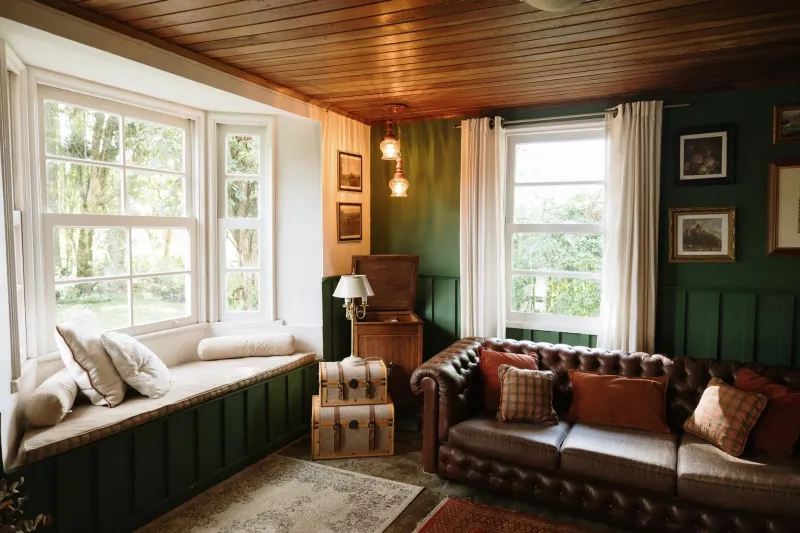
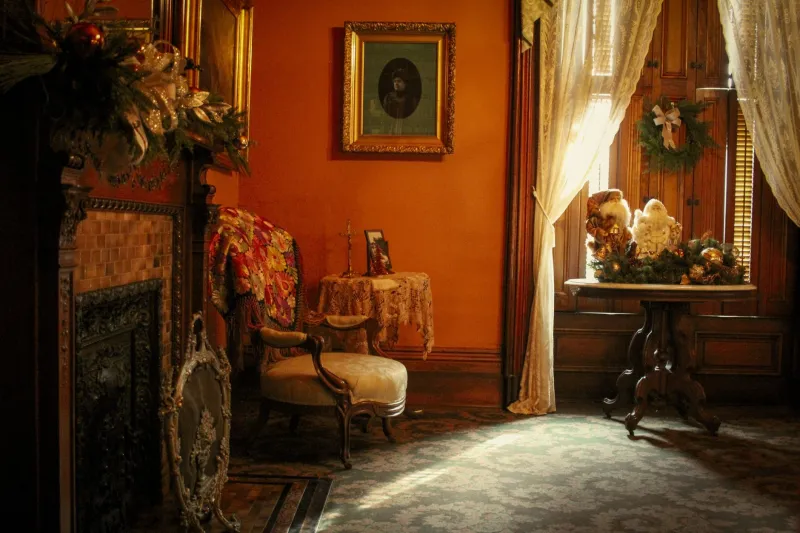
Every UK street seems to have one: the front room with the good curtains, the untouched sideboard and a sofa that has never met a crisp. It is the room saved for best, opened for guests and Christmas, then quietly closed again. But a good room that nobody sits in is not really a living room. It is a museum with a bay window.
The tricky part is not just furniture. It is permission. Once you decide the front room can handle a Tuesday night, a dropped biscuit and a dog that has found the sunniest patch of carpet, the practical choices get much easier. At Grey Corners, we think the best rooms are the ones that get used, not the ones that stay pristine.
Start With the Truth About 'Best'
The phrase 'best room' has echoed through British housing for generations. In plenty of older terraces and semis, the front room was kept for visitors, funerals and the doctor. The family lived round the back. That history lingers, even when the visitors now arrive in jeans and the doctor sends a text.
So before you shop, decide what the room is for. Will it be a quiet reading room? A second sitting room for teenagers? The place where you finally put the record player? A sofa needs to match that answer, not an idea of how a formal room should look. If you want to sit with a mug of tea and your feet up, say so now. The room will forgive you.
Measure the Room You Actually Have
Formal front rooms are often narrower than they look from the doorway. Add a bay window, a chimney breast and a radiator under the window, and your sofa options shrink fast. Measure the longest clear wall, the depth of the chimney breast and the swing of the door before you fall for anything online.
Seat depth matters more than overall length. A sofa with a generous seat can swallow a small room, especially if it faces a telly or a fireplace with little walking space between. Aim for enough room to pass with a cup of tea, and check that the sofa back does not block the window light or sit hard against a radiator. If the room is tight, a pair of smaller sofas or a two-seater plus a comfortable armchair will often work harder than one huge corner unit.
Also check the route in. Narrow hallways, tight turns at the top of the stairs and awkward front doors are classic UK obstacles. A sofa that cannot get in is just a very expensive hallway ornament.
Pick a Sofa That Invites a Tuesday
A good-room sofa should look composed but not precious. Fabric that can be cleaned is your friend: tight weaves, removable covers where possible, and colours that do not show every crumb. Pale linen is lovely in a magazine shoot; in a room where someone might eat toast, it is a leap of faith.
Think about how you sit. If you like to curl up, a deeper seat and a lower arm may suit. If you need support for your back, look for a firmer cushion and a height that lets you get up without a struggle. If the room is mainly for conversation, a more upright sofa with a neat frame can feel right without turning the room into a waiting area.
And do not overlook the frame. A solid frame and sensible cushions will cope with everyday life better than a flashy design that feels hollow when you sit down. Ask about fillings, covers and whether the cushions can be plumped or replaced. That is the boring bit that keeps a good room good.
Light It Like a Living Room
Formal rooms often have one central pendant and a lot of shadows. That does not make for cosy evenings. Add a floor lamp beside the sofa, a table lamp on a sideboard and a dimmer switch if you can. Layered light makes a room feel used and welcoming, even before anyone sits down.
If the bay window is the star, do not block it with a tall sofa back. Let the light in during the day and use a warm lamp at night. A mirror above a fireplace can bounce light around, but keep it simple. The aim is a room that feels ready for a cup of tea, not a room that is waiting for a photographer.
Warm the Room Without Cluttering It
Older front rooms can be draughty. Check the radiator, the window seals and the gap under the door. A draught excluder, thermal curtains and a decent rug will do more for comfort than a dozen cushions. Just make sure the sofa is not pushed so close to the radiator that the heat has nowhere to go.
If the room has a fireplace that is no longer used, you can still make it a focal point without pretending it is a working fire. A basket of blankets, a good lamp or a piece of art can draw the eye. The sofa should face something worth looking at, whether that is a telly, a view or another person.
Give Everyday Stuff a Home
A good room only stays usable if it has somewhere to put things. An ottoman with storage, a lidded basket for throws, a slim sideboard or a couple of drawers will stop the sofa becoming a dumping ground. Keep the surface beside the sofa big enough for a mug and a book, but not so big that it collects post.
Storage also helps with the emotional side. If the room has a place for the kids' headphones, the spare glasses and the dog lead, it can be a normal room without looking like a jumble sale. That is the sweet spot: relaxed, not wrecked.
The Emotional Bit: Letting Go of Sunday Best
The hardest part is often not the sofa. It is the feeling that you are somehow ruining the room. You are not. A room that is used is doing its job. Start small: sit in there with a coffee for ten minutes. Read the paper. Put on a record. Let a friend put their feet up.
In 2026, with so many of us working from home or trying to make every square metre count, a room that only opens for best is a luxury few of us can afford. The good room can still feel special. It just needs to feel special with a cushion out of place and a mug on the side table.
A Room That Earns Its Keep
Choose a sofa that fits the room, not the fantasy. Measure the clearances, think about seat depth, pick a fabric that can handle real life and give the room enough light and warmth to make sitting there appealing. Then use it. The best front room is not the one that looks untouched. It is the one where the sofa has a slightly worn arm and the coffee table has a ring on it.