Lease-Friendly Lounging: Sofas for Homes You’ll Eventually Leave

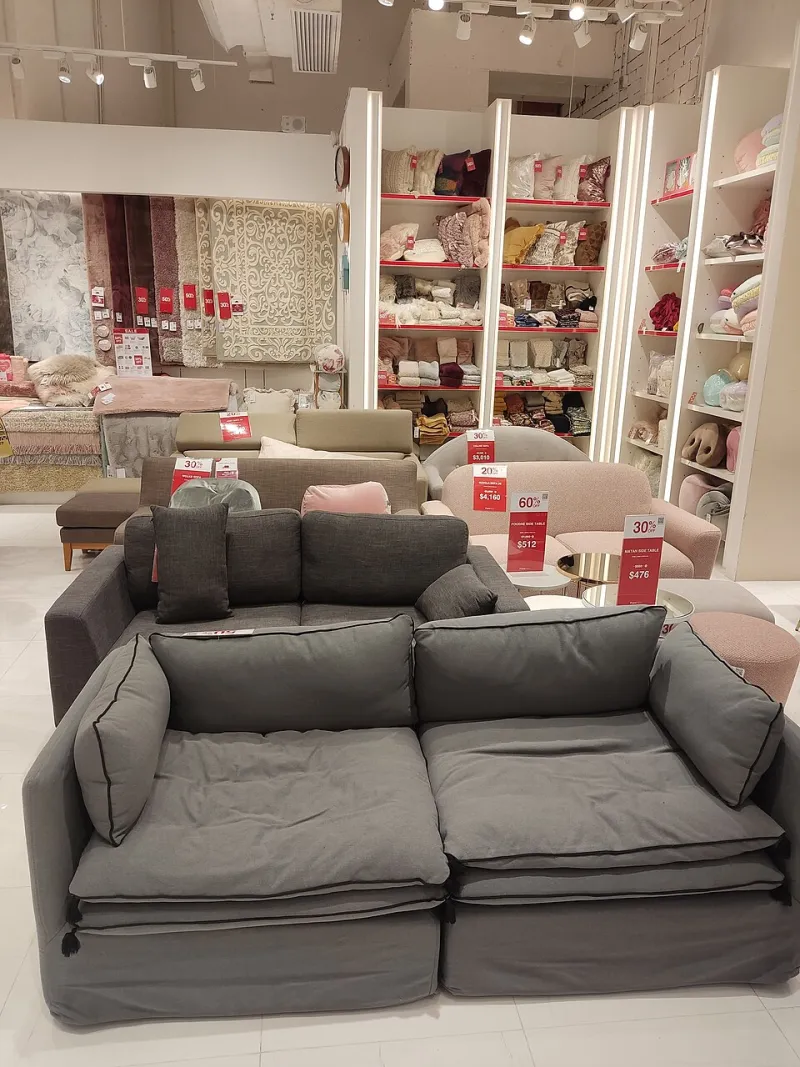
Photo: small rented UK flat living room modular sofa removable covers, via 7esl.com
Renting in the UK comes with a particular kind of sofa anxiety. You want somewhere comfortable to collapse after work, but you also know that moving day will arrive, the inventory will be checked and the deposit will be discussed. The good news is that a renter-friendly sofa does not have to look like a temporary compromise. It just needs to be chosen with the exit in mind as well as the evening in.
Measure the awkward bits first
Before you fall for a shape, measure the route. Doorways, stair turns, lift dimensions, hallway corners and the space between the radiator and the wall all matter. A sofa that cannot reach the living room is not a bargain, even at half price. If you are on the top floor of a period conversion, check ceiling heights on the stairs and whether the delivery team will actually carry it up.
This is where modular designs earn their keep. Two or three separate pieces can often be moved through spaces that would defeat one long sofa. They also make future moves less traumatic. Look for connectors that hold sections together without leaving permanent marks on walls or floors.
Modular is your friend
A modular sofa is not just a trend. For renters, it is a practical shape. You can split it, carry it in stages and rearrange it when you move to a room with a different layout. A corner unit may be perfect now and impossible later. A sofa made of two seats and a chaise can be adapted. Check the weight of each section before buying. A two-person lift is fine; a three-person struggle on a narrow staircase is not.
Also think about how the modules join. Metal brackets, clips or simple locators are usually easier to manage than anything that needs drilling or fixing to a wall. You want a sofa that stays together when you sit on it, not one that becomes a permanent fixture.
Covers you can wash, swap and forgive
Removable covers are the renter’s secret weapon. Life happens: tea tips, muddy shoes, a friend’s red wine, a pet with opinions. Zip-off covers that can be washed or replaced make a sofa feel less precious. Fixed pale velvet may look gorgeous in a photograph, but it is a deposit risk in a rental.
Check the care label before you commit. Some covers are machine washable, some are dry clean only, and some are technically removable but never quite go back on the same way. Ask whether replacement covers can be ordered later. A mid-tone fabric, a subtle pattern or a washable loose cover will hide more than a flat pale weave. Throws and cushion covers are cheaper than upholstery and easier to change when your style shifts.
Feet, walls and deposit-friendly details
Wall-friendly feet matter more than they sound. Rounded feet, felt pads and a small gap from the wall can stop scuffs and gouges. Avoid sharp metal feet that mark skirting boards or dig into vinyl flooring. If your sofa sits close to a wall, leave breathing room so the fabric does not rub. A simple rug under the front feet can protect the floor and make the seating area feel intentional.
Do not fix anything to the wall without checking your tenancy agreement. If you want art above the sofa, use a leaning frame or a picture ledge that does not require drilling. The aim is a room that feels settled without leaving holes, sticky residue or a landlord asking questions.
Weight limits and floors
Old buildings, upstairs flats and suspended floors all deserve a bit of thought. A heavy sofa spread over a small area can put pressure on floorboards. A lighter modular sofa or one with wide feet can distribute weight more kindly. Avoid dragging a sofa across a wooden floor; use blankets or sliders and ask for help. Check any weight guidance from the retailer, especially for chaises and large corner sections.
If you are unsure, keep the sofa in the room it was measured for and avoid adding a heavy footstool in the same spot. Common sense goes a long way. So does a felt pad under every foot.
Make it feel like home without drilling
A rental can feel temporary because the walls are magnolia and the light fittings are not yours. A sofa can anchor the room anyway. Layer a rug, add a floor lamp, lean a framed print on a shelf, use plants and cushions, and let the sofa set the colour story. None of that requires permission or permanent change.
Choose a sofa shape that suits the room rather than the showroom. A slim two-seater can make a small rental feel calmer than a bulky corner unit. A modular piece can be split between rooms if you move. A sofa with a low back can keep sightlines open. Style the room around what you can take with you.
A moving-day survival plan
Photograph the sofa before you move in and note any marks on the inventory. Keep the original packaging if you have space, or at least measure the sofa so you can plan the next move. Clean spills quickly, vacuum under the cushions and use the correct products for the fabric. At the end of the tenancy, a well-looked-after sofa is less likely to become a deposit conversation.
Remember that fair wear and tear is part of renting. A sofa does not have to look brand new forever. It does have to be treated sensibly. Felt pads, washable covers and a no-drill approach will do more for your deposit than any last-minute panic clean.
The deposit-check mindset
The best renter’s sofa is comfortable, light enough to move, forgiving enough to clean and flexible enough to suit the next place. It should feel like yours without making the landlord’s property permanently yours. Buy for the life you have now, but keep one eye on the door you will eventually walk out of. Comfort and caution can share a sofa. You just need to choose the right one.