The Second-Act Sofa: Doing the Reupholstery Maths Before You Bin a Good Frame
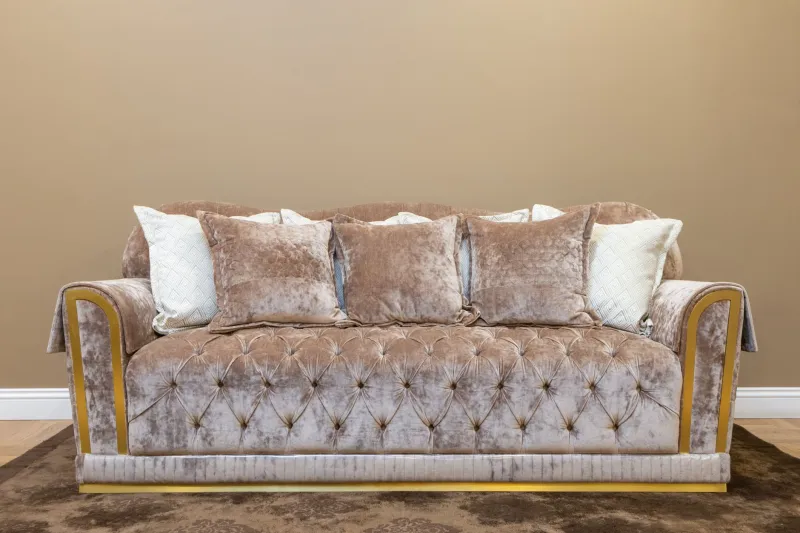
Most tired sofas are guilty of two things: looking older than they are and making their owners feel guilty about the skip. Before you start measuring the front door for a new arrival, though, it is worth asking a less emotional question. Is the frame still doing its job? If it is, there is a decent chance your sofa has a second act. If it is not, no amount of fancy fabric will save it. Here is how the maths tends to work in 2026.
First, separate the bones from the upholstery
A sofa is a frame, a suspension system, some foam, some fabric and a lot of hidden staples. The fabric is the part you see. The frame is the part that decides whether the whole thing is worth saving.
Give the sofa a gentle shake. Lift one corner slightly and listen for creaks. Press down on the arms and the seat platform. Look underneath if you can. You are checking for cracked rails, joints that have opened up, loose legs, sagging webbing and springs that have given up in a localised patch.
A solid frame with tired cushions is a good candidate for repair. A wobbly frame with sagging seats is a bigger conversation. A reupholsterer can fix more than you would think, but they cannot turn a failing frame into an heirloom for pocket money.
The three routes, and what they actually cost
It helps to stop thinking in terms of reupholster or replace. There are usually three routes.
Patch
This is for small problems: a split seam, a worn arm cap, a single cushion cover that has seen better days. Expect roughly £50 to £250 depending on the job and whether you use a local upholsterer or a repair service. It buys time, often a year or three, and it is the sensible first move if the frame and suspension are sound.
Plump
Re-foaming is the middle route. New seat cushions, new back cushions or both can transform a sofa that has gone flat without touching the outer fabric. Budget around £150 to £600 for a typical three-seater, depending on the number of cushions and the foam grade. Lead times are usually shorter than full reupholstery, often one to three weeks.
Replace
Full reupholstery means stripping the sofa back and rebuilding the visible surface. For a standard two- or three-seater, expect roughly £800 to £2,500 in 2026, with larger corner sofas and complex shapes pushing higher. Lead times of six to twelve weeks are common, and some workshops run longer in busy periods.
A new sofa is the other replacement route. You can spend £600 on a basic model or £3,000 on something with a better frame and cushions. The comparison only works like-for-like. A £900 new sofa is not the same animal as a £900 reupholstery job.
The cost comparison that actually matters
| Route | Typical UK cost in 2026 | Best for | Watch-outs |
|---|---|---|---|
| Patch repair | £50 to £250 | Small damage, sound frame | May not match the original fabric |
| Re-foam | £150 to £600 | Flat seats, sagging backs | Foam grade matters more than price |
| Full reupholstery | £800 to £2,500+ | Good frame, worn fabric | Fabric cost and lead time |
| New sofa | £600 to £3,000+ | Failing frame or a change of layout | Quality varies enormously |
The useful question is not which option is cheapest. It is which option gives you the most comfortable years for the money. A £1,200 reupholstery job on a frame you already like may beat a £900 new sofa that feels tired in three years. Equally, a £2,000 quote on a basic old sofa is a signal to shop around.
Fabric choice is where budgets quietly move
Reupholstery quotes often exclude fabric, or include a modest allowance. That is where the maths can drift. A sofa typically needs a good few metres of fabric, and the price per metre can range from budget-friendly to eye-watering.
For a busy UK living room, look for a woven fabric with a sensible rub count. For domestic use, 20,000 Martindale cycles is a reasonable baseline; for a family sofa or a room used daily, aim higher. Wool blends, polyester blends and tightly woven textures tend to cope better with everyday life than loose, delicate weaves. If you have a dog, a cat or a habit of eating dinner on the sofa, be honest about that before you fall for a pale linen.
Foam is the other quiet budget mover. Standard foam is fine for occasional use. High-resilience foam costs more but tends to hold its shape better. Wrapped foam and fibre backs feel softer but need plumping. Ask what is going inside, not just what is going on top.
Lead times and the living-room gap
Full reupholstery is not a weekend project. Your sofa usually leaves the room for several weeks. If you are hosting a family gathering, working from the sofa or simply cannot face a empty corner, plan around it. Re-foaming is quicker and often done in situ or with a short turnaround.
Ask about collection and delivery, access, and whether the quote includes new legs, castors or repairs to the frame. A cheap quote that excludes fabric, collection and small repairs is not really a cheap quote.
The sustainability case, without the guilt trip
The greenest sofa is usually the one already in your room, provided it is structurally sound. Keeping a good frame out of landfill avoids the waste of the frame, the foam and the transport of a new piece. Reupholstery is not zero-impact, because it uses new fabric and materials, but it often makes better use of what already exists.
That is not a reason to throw money at a bad sofa. It is a reason to check the bones before you assume replacement is the only grown-up option.
A simple decision framework
- Check the frame, joints, legs and suspension. If the frame is cracked or widely failed, replacement usually wins.
- If the frame is sound but the cushions are flat, price re-foaming first.
- If the fabric is worn but the frame and cushions are decent, get two reupholstery quotes.
- Compare those quotes with a new sofa of genuinely similar quality, not the cheapest one online.
- Add in fabric, collection, delivery and any repairs. Compare the total.
- Factor in lead time and how much disruption you can live with.
As a rough rule, if the frame is sound and full reupholstery costs less than about half the price of a new sofa you would actually be happy with, it is worth serious consideration. If the quote is close to new-sofa money and the old sofa is nothing special, replacement starts to make sense.
When to walk away
Walk away from reupholstery if the frame is cracked in several places, the springs have failed across the whole seat, or there is damp, mould or insect damage. Sentimental value is real, but it does not make a unsafe sofa safe. A sofa is furniture, not a moral test.
The best outcome is the one that keeps a good frame in service and keeps your money in your pocket. Start with the bones, price the middle route, and do not let a sagging seat cushion make a structural decision for you.